 English,
 Spanish,
 Polish,


Free Consultation
630-932-9100

-

- Home
- Our Firm
- Practice Areas
- Divorce
- Alimony and Maintenance
- Child Support
- College Expenses
- Special Needs Children and Divorce
- Parental Responsibility / Custody
- Sole Custody vs. Joint Custody
- Parenting Plans and Visitation
- Child Relocation
- Property and Asset Division
- Retirement, 401k Accounts and Pensions
- Debt Division
- Post Decree Modifications
- Post Decree Enforcement and Contempt Hearings
- Dissolution of Arranged Marriages
- Tax Consequences and Divorce
- Uncontested Divorce
- Divorce Involving Mental Health Issues or Addictions
- Divorce and the Stay-at-Home Parent
- Divorce FAQs
- Family Law
- Personal Injury
- Motor Vehicle Accidents
- Auto Accidents
- Truck Accidents
- Amazon Delivery Driver Accidents
- Motorcycle Accidents
- Rideshare Accidents
- Pedestrian Accidents
- E-Bike/E-Scooter Accidents
- Boat Accidents
- Aviation Accidents
- Premises Liability
- Medical Malpractice
- Nursing Home Abuse
- Wrongful Death
- Construction Site Accidents
- Other Serious Injuries
- Personal Injury FAQs
- Workers' Compensation
- Construction Accidents and Injuries
- Warehouse and Factory Worker Injuries
- Healthcare Worker Injuries
- Office Worker Injuries
- Shipping and Trucker Worker Injuries
- Types of Workers' Compensation Injuries
- Back and Neck injuries
- Repetitive Stress Injuries
- Arm and Shoulder Injuries
- Knee Injuries
- Occupational Diseases
- Specific Accident Cases
- Who We Represent
- Workers' Comp Death Benefits
- Filing a Workers' Comp Claim
- How to Qualify for Benefits Under Workers' Comp
- Vocational Rehabilitation Rights
- Workers' Compensation FAQs
- Criminal Defense
- Immigration
- Bankruptcy
- Estate Planning
- Real Estate
- Divorce
- Success Stories
- Testimonials
- Media
- Blog
- Contact Us
Can I Lose My Citizenship?
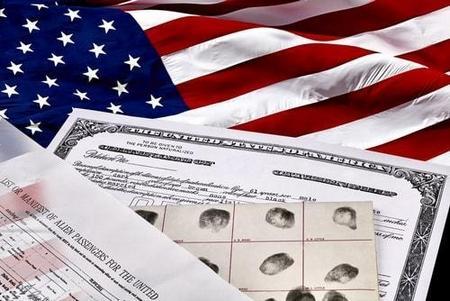 Under very specific and fairly narrow circumstances, you can lose your U.S. citizenship. It can happen through denaturalization if your citizenship was obtained through fraud. It can also happen if you voluntarily give up your citizenship through certain actions. This question often comes from a place of real worry. This is especially true if you're a naturalized citizen concerned about your status.
If you're dealing with this concern in 2026, our DuPage County, IL immigration lawyer can help you understand your rights and what actually puts citizenship at risk.
What Is Denaturalization and When Does It Happen?
Denaturalization is the legal process of revoking someone's citizenship after it was granted through naturalization. Under 8 U.S.C. Section 1451, the government can pursue denaturalization if citizenship was illegally obtained. It can also act if naturalization was obtained by concealing a material fact or making a willful misrepresentation.
This does not always mean the government must prove that you deliberately lied. In some cases, it may argue that you did not legally qualify for naturalization when citizenship was granted. Denaturalization cases carry a very high burden of proof in court.
Can You Lose Citizenship for Committing a Crime?
Committing a crime after you become a citizen usually doesn't put your citizenship at risk. Denaturalization works differently. It looks at whether you legally qualified for citizenship in the first place. It also looks at whether you hid or lied about important information during the naturalization process.
A later criminal case can still cause problems, though. This can happen if it shows you weren't actually eligible for naturalization. It can also happen if it shows you hid important facts when you applied. Federal law also names a small group of acts that can lead to losing your citizenship. This includes certain treason and overthrow offenses. This only applies when the legal requirements are met.
This is different from deportation. Deportation generally applies to noncitizens, not U.S. citizens.
The Exception Involving Fraud Discovered Later
Evidence might later reveal that you concealed a serious crime during your naturalization interview. This could include certain violent offenses or crimes against humanity. This concealment itself could become grounds for denaturalization. The issue isn't the crime happening after citizenship. The issue is lying about it during the naturalization process itself.
What Actions Can Voluntarily Give Up Your Citizenship?
There are ways to voluntarily give up your citizenship. This usually requires clear intent to give it up. One example is formally renouncing your citizenship before a U.S. consular officer. Serving in the armed forces of a country at war with the United States is another example. Taking certain positions in a foreign government while intending to give up your citizenship also counts.
Simply living abroad doesn't cause you to lose your citizenship. Having dual citizenship doesn't either. Voting in a foreign election generally doesn't cause this either. These actions alone don't show the clear intent the law requires.
What Evidence Does the Government Need to Denaturalize Someone?
The government must meet a demanding legal standard in a civil denaturalization case. It generally must present clear, unequivocal, and convincing evidence that citizenship was illegally obtained or was obtained through concealment of a material fact or willful misrepresentation.
This high burden reflects the importance of U.S. citizenship. The government cannot revoke naturalized citizenship based only on suspicion or weak evidence.
Can You Fight a Denaturalization Case?
Denaturalization proceedings generally happen through civil litigation in federal court. This means you have the right to defend yourself and challenge the government's evidence. Having strong legal representation makes a big difference in these cases. As you know, the government must meet a high burden of proof. That leaves a lot of room for a skilled attorney to identify weaknesses in their case.
How Can an Immigration Attorney Help With This Citizenship Concern?
An immigration attorney can review your original naturalization application and process to identify any potential vulnerabilities. They can help you understand whether your specific concerns actually create legal risk. They can also represent you if you ever face denaturalization proceedings. This guidance can provide real peace of mind for naturalized citizens who are worried about their status.
Schedule a Free Consultation With Our Lombard, IL Immigration Attorney
For more than 40 years, Attorney Steven H. Mevorah has been serving the needs of immigrants throughout Northern Illinois. He has experience in citizenship and naturalization matters. He also understands how important your citizenship status is to your sense of security.
Contact Mevorah & Giglio Law Offices at 630-932-9100 to talk to our DuPage County immigration lawyer today and get clear answers about your specific situation.









Offices in 3 Convenient DuPage County Locations
Lombard
900 E. Roosevelt Road
Lombard, IL 60148
Phone: 630-932-9100
Fax: 630-932-9868
MAP & DIRECTIONS
Bloomingdale
134 N. Bloomingdale Road
Bloomingdale, IL 60108
Phone: 630-529-2400
Fax: 630-529-7630
MAP & DIRECTIONS
Naperville
Phone: 630-420-1000
By Appointment Only

 Make a Payment


