 English,
 Spanish,
 Polish,


Free Consultation
630-932-9100

-

- Home
- Our Firm
- Practice Areas
- Divorce
- Alimony and Maintenance
- Child Support
- College Expenses
- Special Needs Children and Divorce
- Parental Responsibility / Custody
- Sole Custody vs. Joint Custody
- Parenting Plans and Visitation
- Child Relocation
- Property and Asset Division
- Retirement, 401k Accounts and Pensions
- Debt Division
- Post Decree Modifications
- Post Decree Enforcement and Contempt Hearings
- Dissolution of Arranged Marriages
- Tax Consequences and Divorce
- Uncontested Divorce
- Divorce Involving Mental Health Issues or Addictions
- Divorce and the Stay-at-Home Parent
- Divorce FAQs
- Family Law
- Personal Injury
- Motor Vehicle Accidents
- Auto Accidents
- Truck Accidents
- Amazon Delivery Driver Accidents
- Motorcycle Accidents
- Rideshare Accidents
- Pedestrian Accidents
- E-Bike/E-Scooter Accidents
- Boat Accidents
- Aviation Accidents
- Premises Liability
- Medical Malpractice
- Nursing Home Abuse
- Wrongful Death
- Construction Site Accidents
- Other Serious Injuries
- Personal Injury FAQs
- Workers' Compensation
- Construction Accidents and Injuries
- Warehouse and Factory Worker Injuries
- Healthcare Worker Injuries
- Office Worker Injuries
- Shipping and Trucker Worker Injuries
- Types of Workers' Compensation Injuries
- Back and Neck injuries
- Repetitive Stress Injuries
- Arm and Shoulder Injuries
- Knee Injuries
- Occupational Diseases
- Specific Accident Cases
- Who We Represent
- Workers' Comp Death Benefits
- Filing a Workers' Comp Claim
- How to Qualify for Benefits Under Workers' Comp
- Vocational Rehabilitation Rights
- Workers' Compensation FAQs
- Criminal Defense
- Immigration
- Bankruptcy
- Estate Planning
- Real Estate
- Divorce
- Success Stories
- Testimonials
- Media
- Blog
- Contact Us
Can Siblings Sponsor Each Other for U.S. Immigration?
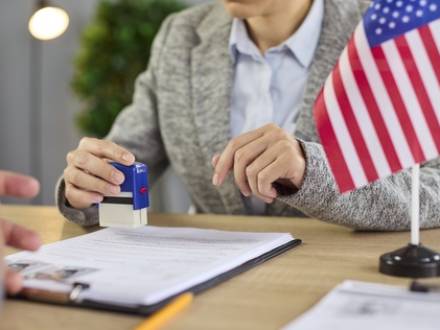 Siblings can sponsor each other for U.S. immigration, but only under specific conditions. The process takes far longer than most families expect. According to U.S. Citizenship and Immigration Services, siblings of U.S. citizens may apply for a green card under the fourth family preference category, known as F4, which is limited to 65,000 visas per year.
Because demand far exceeds that cap, wait times for most applicants stretch well over a decade. If your family is trying to navigate this process in 2026, Mevorah & Giglio Law Offices can help. Our Bloomingdale, IL immigration lawyer can help you understand your options and avoid costly mistakes.
Who Can Sponsor a Sibling for Immigration to the United States?
Only U.S. citizens can sponsor a sibling for a green card. Lawful permanent residents, known as green card holders, do not have this option. Under the Immigration and Nationality Act, specifically 8 U.S.C. § 1153(a)(4), brothers and sisters of adult U.S. citizens are recognized as a family preference category. However, only a citizen, not a permanent resident, may petition on a sibling's behalf. The sponsoring citizen must also be at least 21 years old at the time of filing.
The sibling relationship must be documented and verifiable. This includes full siblings, half-siblings who share at least one biological parent, step-siblings through a legal marriage, and adopted siblings when the adoption occurred before age 16. The key in every case is proving the relationship with official records.
What Is the F4 Visa, and How Does It Work?
The F4 visa is the green card category specifically for brothers and sisters of U.S. citizens and their immediate families. Once approved, the sponsoring citizen files Form I-130, Petition for Alien Relative, with USCIS to establish the family relationship. If the petition is approved, the sibling's case moves to the National Visa Center and eventually to a U.S. embassy or consulate for an interview.
A spouse and unmarried children under 21 of the sponsored sibling can also be included in the application as derivative beneficiaries, meaning they may receive green cards through the same petition.
How Long Does the Sibling Sponsorship Process Take?
This is where many families are caught off guard. The F4 category is heavily backlogged. Because only 65,000 visas are issued each year and demand is extremely high, wait times for most applicants currently range from 10 to more than 20 years, depending on the country of origin.
Applicants from countries like Mexico, India, China, and the Philippines face the longest waits due to per-country caps that limit how many visas can be issued to citizens of any single country in a given year. For applicants from most other countries, the wait is still measured in years, not months.
The monthly Visa Bulletin published by the U.S. Department of State tracks priority dates for each category. Your sibling's place in line is determined by the date USCIS received the original I-130 petition. That date is called the priority date, and the process cannot move forward until that date becomes current in the Visa Bulletin.
What Documents Are Needed To File a Sibling Petition?
Getting the paperwork right from the start is critical. Errors or missing documents can cause delays in a process that already moves slowly.
The core documents typically required include:
-
Proof of the sponsoring sibling's U.S. citizenship, such as a passport, birth certificate, or naturalization certificate
-
Birth certificates for both siblings showing the shared parent or parents
-
Marriage certificates from parents if proving a half-sibling or step-sibling relationship
-
Adoption records if applicable
-
Completed Form I-130 and the applicable filing fee
Later in the process, the sponsoring sibling needs to submit a signed Form I-864, Affidavit of Support, showing they can financially support the applicant. If the sponsored sibling has a spouse or children who will be included, additional documents establishing those relationships are required as well.
Can a Sibling Already Living in the U.S. Apply Without Leaving?
In some cases, yes. If the sponsored sibling is already living in the United States on a valid non-immigrant visa, their priority date becomes current, and a visa number becomes available, they may be eligible to file Form I-485, Application to Register Permanent Residence or Adjust Status, without leaving the country. This process is called adjustment of status.
However, the sibling must have entered the U.S. lawfully and must maintain a valid immigration status throughout the waiting period. Falling out of status can create significant complications and may affect eligibility to adjust status later.
Schedule a Free Consultation With Our Naperville, IL Immigration Attorney
Sibling sponsorship is one of the most complex and time-consuming paths in U.S. immigration law. Filing correctly from the beginning, tracking your priority date, and knowing how to respond when complications arise can make a real difference in how the process unfolds.
For more than 40 years, Attorney Steven H. Mevorah has been serving the needs of immigrants throughout Northern Illinois. His decades of experience mean he has guided families through every stage of this process, from the first petition to the final green card.
If your family is ready to take the first step, contact our Bloomingdale, IL immigration lawyer today. Call Mevorah & Giglio Law Offices at 630-932-9100 to schedule a free consultation.







Offices in 3 Convenient DuPage County Locations
Lombard
900 E. Roosevelt Road
Lombard, IL 60148
Phone: 630-932-9100
Fax: 630-932-9868
MAP & DIRECTIONS
Bloomingdale
134 N. Bloomingdale Road
Bloomingdale, IL 60108
Phone: 630-529-2400
Fax: 630-529-7630
MAP & DIRECTIONS
Naperville
Phone: 630-420-1000
By Appointment Only

 Make a Payment


